
The Sunday Roast’s Second Career: Delicious Ways to Use Up the Leftovers
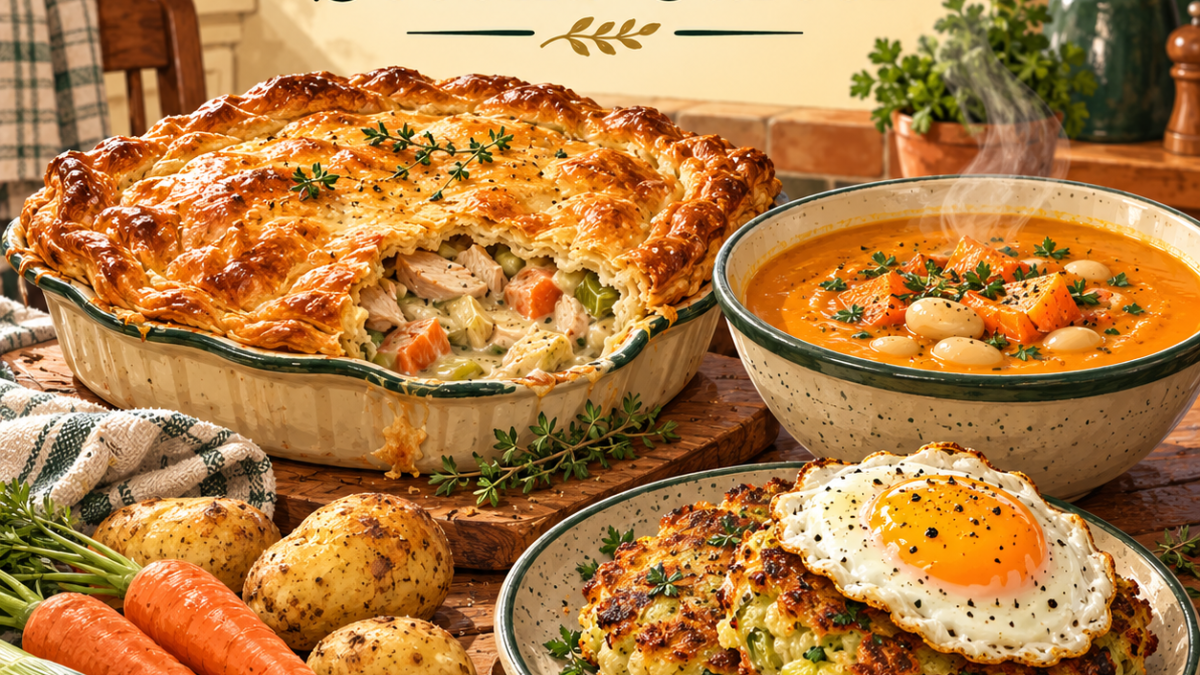
By Monday morning, the Sunday roast has lost some of its grandeur.
The chicken is under foil. The potatoes have formed a small committee. The remaining cabbage occupies a container considerably larger than its contribution to dinner justified.
Yesterday, these ingredients were part of an occasion. There was gravy, somebody warmed the plates, and the Yorkshire puddings briefly received the sort of attention normally reserved for a royal arrival.
Today, somebody opens the fridge and says, “What are we going to do with all this?”
It is an excellent question. Particularly if “all this” represents ingredients you paid for, prepared and would quite like to enjoy again.
Fortunately, leftover Sunday roast recipes need not mean a slightly diminished version of yesterday’s lunch. With a few sensible additions, roast chicken can become a golden pie, beef can settle beneath a crisp potato topping, and vegetables can find themselves in a soup worth making deliberately.
The important thing is to give the leftovers a proper second meal.
They have already done Sunday. They deserve a change of scene.
First, Give Monday’s Dinner a Chance on Sunday
The best time to plan for leftovers is before they become a mysterious collection of parcels.
Set aside what you intend to keep, use suitable containers and label them with the date. Keep meat, vegetables and gravy separate where practical. That gives you more choices later and avoids making every remaining ingredient taste of the same generous jug of gravy.
There is also a difference between making good use of leftovers and producing leftovers on purpose in quantities nobody particularly wanted.
If there are two of you, you probably do not need to roast enough potatoes to sustain a modest village through a difficult winter.
A few extra portions can be useful. An entire second catering operation is less helpful.
Think about tomorrow’s meal while you are putting things away. Chicken pie? Save an appropriate portion of chicken. Bubble and squeak? Keep potatoes and greens. Soup? Put suitable roast vegetables together.
Suddenly the fridge contains ingredients with a future, rather than a retirement home for dinner.
The Small but Important Matter of Food Safety
Cool cooked leftovers promptly and refrigerate them within two hours. Eat them within 48 hours or freeze them if that will not be possible. Reheat leftovers only once, until steaming hot throughout. These are the Food Standards Agency’s core recommendations. Turning cooked chicken into a pie counts as reheating it; adding pastry does not restart its storage life.
For the recipes below, use properly stored leftovers that have not already been reheated. Prepare only the portions you intend to eat, and serve once the whole dish is thoroughly hot.
Cooking times are guides: a deep dish or a particularly cold filling may need longer.
Roast Chicken, Leek and Mustard Pie
There is something wonderfully reassuring about a pie.
Put a decent filling beneath pastry and people assume you have a firm grip on the evening. They do not need to know that the chicken spent the morning beside half a lemon and a jar of pickled onions.
This version uses a freshly made leek sauce, with the leftover chicken added immediately before baking.
Serves: 4
Preparation: 20 minutes
Cooking: 40–45 minutes
Total: 60–65 minutes
Difficulty: Easy
Dietary notes: Contains meat; dairy-free adaptable.
Ingredients
- 300 g cooked roast chicken, bones and skin removed, cut into bite-sized pieces
- 2 medium leeks, trimmed, washed thoroughly and sliced
- 25 g butter
- 25 g plain flour
- 300 ml chicken stock
- 100 ml milk
- 2 teaspoons Dijon mustard
- ½ teaspoon dried thyme
- Black pepper, to taste
- 1 sheet ready-rolled puff pastry, approximately 320 g
- A little milk for brushing
Method
- Heat the oven to 190°C fan. Have a shallow pie dish, approximately 24 cm across, ready.
- Melt the butter in a saucepan. Add the leeks and cook gently for 8–10 minutes, stirring, until softened.
- Stir in the flour and cook for 1 minute.
- Gradually add the stock and milk, stirring until smooth. Simmer for 3–4 minutes until thickened.
- Stir in the mustard, thyme and pepper. Taste before adding salt, as the stock and chicken may already provide enough.
- Take the pan off the heat and stir in the chicken. Transfer immediately to the pie dish.
- Lay the pastry over the filling, trim and crimp the edges, then cut a small steam hole in the centre. Brush with milk.
- Bake for 25–30 minutes, or longer if needed, until the pastry is golden and the filling is bubbling and steaming hot throughout.
Make It Work for Your Kitchen
Turkey works well instead of chicken. A small handful of leftover cooked carrots can join the filling, provided they have been stored appropriately.
For a dairy-free version, use a suitable baking block and unsweetened dairy-free milk, checking the pastry ingredients too.
If the sauce seems too thick before adding the chicken, loosen it with a splash of stock. If it seems thin, simmer it a little longer.
Serve with freshly cooked peas or greens. The pie already has a pastry roof; it does not require a supporting estate of roast potatoes.
Allergens: Wheat/gluten, milk and mustard; stock may contain celery or other allergens. Check all packaging.
Make-ahead and freezer note: Make and freeze the leek sauce separately if useful. Keep the leftover chicken within its original storage limit and assemble when ready to bake. This recipe is intended to be eaten after baking, without another reheating.
Leftover Beef and Mushroom Hotpot
Roast beef can become rather solemn in the fridge.
It sits there looking expensive and slightly disappointed, while everyone debates sandwiches.
A hotpot gives it another purpose. Mushrooms add savoury depth, and thinly sliced potatoes provide a topping that feels substantial without requiring a large amount of meat.
Serves: 4
Preparation: 20 minutes
Cooking: 50–60 minutes
Total: 70–80 minutes
Difficulty: Easy
Dietary notes: Dairy-free adaptable; gluten-free adaptable.
Ingredients
- 300 g cooked roast beef, cut into small pieces across the grain
- 1 tablespoon vegetable oil
- 1 large onion, thinly sliced
- 250 g mushrooms, sliced
- 1 tablespoon plain flour
- 350 ml beef stock
- 1 tablespoon tomato purée
- 1 teaspoon Worcestershire sauce, optional
- ½ teaspoon dried thyme
- 650 g potatoes, peeled and sliced approximately 3 mm thick
- 15 g butter, melted
- Black pepper, to taste
Method
- Heat the oven to 180°C fan.
- Put the sliced potatoes into a saucepan of boiling water. Simmer gently for 5 minutes, then drain carefully.
- Meanwhile, heat the oil in a large frying pan. Cook the onion for 6–8 minutes until softened.
- Add the mushrooms and cook for another 6–8 minutes, allowing their released liquid to reduce.
- Stir in the flour and tomato purée. Cook for 1 minute, then gradually add the stock.
- Add the Worcestershire sauce, if using, thyme and pepper. Simmer for 3 minutes.
- Remove from the heat, stir in the beef and transfer immediately to a shallow ovenproof dish.
- Arrange the potatoes over the filling in overlapping layers. Brush with melted butter.
- Bake for 35–45 minutes, until the potatoes are tender and golden and the filling is steaming hot throughout. Cover loosely with foil if the top browns too quickly.
Make It Work for Your Kitchen
Use oil instead of butter for a dairy-free topping.
For a gluten-free version, use suitable stock and sauce, and replace the flour with 2 teaspoons of cornflour mixed with a little cold water. Stir the mixture into the simmering sauce.
If the beef was strongly seasoned originally, keep the sauce simple. Yesterday’s garlic and rosemary do not need competition from every bottle in the cupboard.
Allergens: Wheat/gluten and milk as written. Worcestershire sauce commonly contains fish and may contain barley; stock may contain celery.
Make-ahead and freezer note: The mushroom sauce can be prepared separately in advance. Add the leftover beef only when assembling for immediate baking. Serve the finished hotpot without a further reheating.
Bubble and Squeak with a Fried Egg
Bubble and squeak is proof that a meal can have an excellent name and still be taken seriously.
It is also a very good answer to leftover potatoes and greens.
The trick is to avoid a wet mixture and allow the patties time to develop a crust. Constantly poking them with a spatula is understandable, but rarely helpful.
Serves: 2
Preparation: 15 minutes
Cooking: 20 minutes
Total: 35 minutes
Difficulty: Easy
Dietary notes: Vegetarian if the original vegetables were cooked without animal fat; gluten-free with suitable ingredients.
Ingredients
- 350 g cold cooked potatoes, mashed roughly
- 150 g cold cooked cabbage, sprouts or other greens, finely chopped
- 1 teaspoon English mustard, optional
- 2 tablespoons vegetable oil, divided
- 2 eggs
- Black pepper, to taste
Method
- Squeeze excess moisture from the greens using a clean cloth or kitchen paper.
- Mix the potatoes, greens, mustard and pepper. If using roast potatoes, crush them thoroughly, including their crisp edges.
- Shape into four firm patties, approximately 1.5–2 cm thick.
- Heat 1½ tablespoons of oil in a large frying pan over a medium heat.
- Add the patties and cook for 7–9 minutes on each side. Turn carefully once the undersides have formed a good crust.
- Check that the centres are steaming hot. Reduce the heat if the outsides are browning before the middles are hot.
- Fry the eggs in the remaining oil until the whites and yolks are set, or cook to an appropriate degree for the people eating them.
- Serve immediately, with an egg on each portion.
Make It Work for Your Kitchen
A little finely chopped cooked carrot is welcome. Half a tub of gravy is not: it will make the mixture much harder to handle.
If the patties will not hold together, mash the potatoes more thoroughly and make smaller patties. They are dinner, not a test of structural engineering.
For a vegan meal, omit the eggs and serve with freshly cooked mushrooms or beans. Check that the original vegetables were prepared with vegan ingredients.
Allergens: Eggs and mustard, if used; check the original potato and vegetable ingredients.
Make-ahead and freezer note: Shape the patties shortly before cooking and keep chilled until needed. For future meals, freeze suitable original leftover potatoes and greens promptly, rather than cooking these patties and planning another reheating.
Roast Vegetable and Butter Bean Soup
Soup is one of the most useful second careers available to a vegetable.
Roasted carrots, parsnips, squash and sweet potatoes bring sweetness and body. Butter beans make the soup more substantial and help produce a creamy texture without adding cream.
Choose vegetables whose flavours belong together. You are making lunch, rather than conducting a complete fridge clearance.
Serves: 4
Preparation: 10 minutes
Cooking: 20 minutes
Total: 30 minutes
Difficulty: Easy
Dietary notes: Vegan if the vegetables and stock are vegan; dairy-free; gluten-free with suitable stock.
Ingredients
- 1 tablespoon olive oil
- 1 onion, chopped
- 1 garlic clove, finely chopped
- 500 g cooked roast vegetables, cut into small pieces
- 1 × 400 g tin butter beans, drained and rinsed
- 750 ml vegetable stock, plus extra if needed
- ½ teaspoon smoked paprika, optional
- Black pepper, to taste
- A little lemon juice, optional
Method
- Heat the oil in a large saucepan. Cook the onion for 7–8 minutes until softened.
- Add the garlic and paprika, if using. Stir for 30 seconds.
- Add the roast vegetables, butter beans and stock.
- Bring to the boil, then simmer for 10–12 minutes, stirring occasionally, until everything is thoroughly hot.
- Blend carefully with a stick blender until smooth, or leave some texture.
- Add extra stock if the soup is thicker than you like. Return to the heat and stir until steaming hot throughout.
- Taste and add pepper and a little lemon juice if the soup needs brightness. Serve immediately.
Make It Work for Your Kitchen
Carrots and parsnips make a sweet, earthy combination. Squash and peppers produce a different but equally useful soup.
Use broccoli or cabbage more cautiously: their flavours can dominate a whole saucepan.
Cannellini beans can replace butter beans. Serve with bread if wanted, remembering that bread introduces its own allergens.
Allergens: Stock may contain celery or gluten. Check any seasonings and the ingredients used when roasting the vegetables.
Make-ahead and freezer note: Freeze the original roast vegetables promptly if you are saving them for a later soup. Once this soup has reheated them, make it the meal you eat.
Cooked Apple Crumble
Apples are included here on the understanding that some Sunday lunches end with cooked fruit, and that apples intended for pudding occasionally get forgotten while everybody concentrates on the gravy.
Use plain or sweetened cooked apples, rather than a strongly savoury apple sauce.
A crumble topping gives them a very respectable return to the table.
Serves: 4
Preparation: 10 minutes
Cooking: 30–35 minutes
Total: 40–45 minutes
Difficulty: Easy
Dietary notes: Vegetarian; vegan adaptable.
Ingredients
- 500 g cooked apples
- ½ teaspoon ground cinnamon, optional
- 100 g plain flour
- 60 g cold butter, cubed
- 40 g rolled oats
- 40 g light brown sugar
- 1–2 tablespoons water, only if needed
Method
- Heat the oven to 180°C fan.
- Spoon the apples into a shallow baking dish. Stir in the cinnamon, if using.
- If the apples are very dry, add a little water. If already sweetened, leave them as they are; otherwise taste and add a little extra sugar if necessary.
- Rub the butter into the flour until the mixture resembles coarse breadcrumbs.
- Stir in the oats and sugar.
- Scatter over the apples without pressing down.
- Bake for 30–35 minutes, until the topping is golden and the fruit is bubbling and steaming hot throughout.
Make It Work for Your Kitchen
Use a suitable plant-based baking block for a vegan crumble.
For a gluten-free version, use a suitable gluten-free flour blend and certified gluten-free oats.
If you have only 300 g of cooked apple, make a smaller crumble and reduce the topping accordingly. There is no obligation to manufacture a family-sized pudding because a recipe has become overconfident.
Allergens: Wheat/gluten, oats and milk as written.
Make-ahead and freezer note: Make the crumble topping in advance and freeze it separately. Add it to appropriately stored cooked apples just before baking. Serve the finished crumble without another reheating.
A Note on Portions and Nutrition
These recipes are designed to make useful meals from modest quantities of cooked ingredients. Actual nutrition will vary with the original roast, the amount of fat used, the stock and the brands you choose.
Beans add fibre and substance; vegetables bring variety. Pastry, butter and salty stocks deserve sensible portions. Use lower-salt stock where it suits you, and taste before adding more seasoning.
A meal does not need to become a nutritional examination. It does benefit from a little attention to what is already in it.
Leftovers Should Save Work, Too
There is Explore Rob’s Books membership for digital reading, imaginative stories and family activities. Discover a welcoming world for curious readers of all ages.a point at which an economical recipe stops being economical.
Usually it occurs when we buy twelve new ingredients to rescue three roast potatoes.
Keep the additions useful. Onions, stock, beans, eggs, flour and a few familiar seasonings can help several meals along. Choose one or two recipes that suit what you actually have.
You do not need to make the entire list.
Indeed, if you have enough leftovers for all five recipes, it may be worth reviewing how many people were expected on Sunday.
The aim is a satisfying second meal, a little less waste and a fridge that makes sense when you open it.
Sunday Dinner Has More to Give
A roast dinner involves effort. There are pans to wash, timings to manage and at least one moment when everything appears to need the oven simultaneously.
Making good use of what remains honours that effort.
It also gives us permission to enjoy simpler cooking the following day. A pie filling comes together quickly. Bubble and squeak needs no ceremony. Soup can turn a small collection of vegetables into lunch with very little fuss.
Plan what to keep, store it properly and give it a recipe that suits it.
Yesterday’s roast can make a very good Monday.
Even the cabbage might surprise you.
Explore more practical food writing and digital cookbooks at Rob’s Books.